
The Vatican is implementing enhanced security measures for the conclave that will elect Pope Francis’s successor, beginning this Wednesday (7).
The event, bringing together 133 cardinals from various countries in the Sistine Chapel, will be held in complete secrecy and may last two to three days. Protection goes beyond physical threats: the goal is also to prevent any kind of information leak during the voting process.
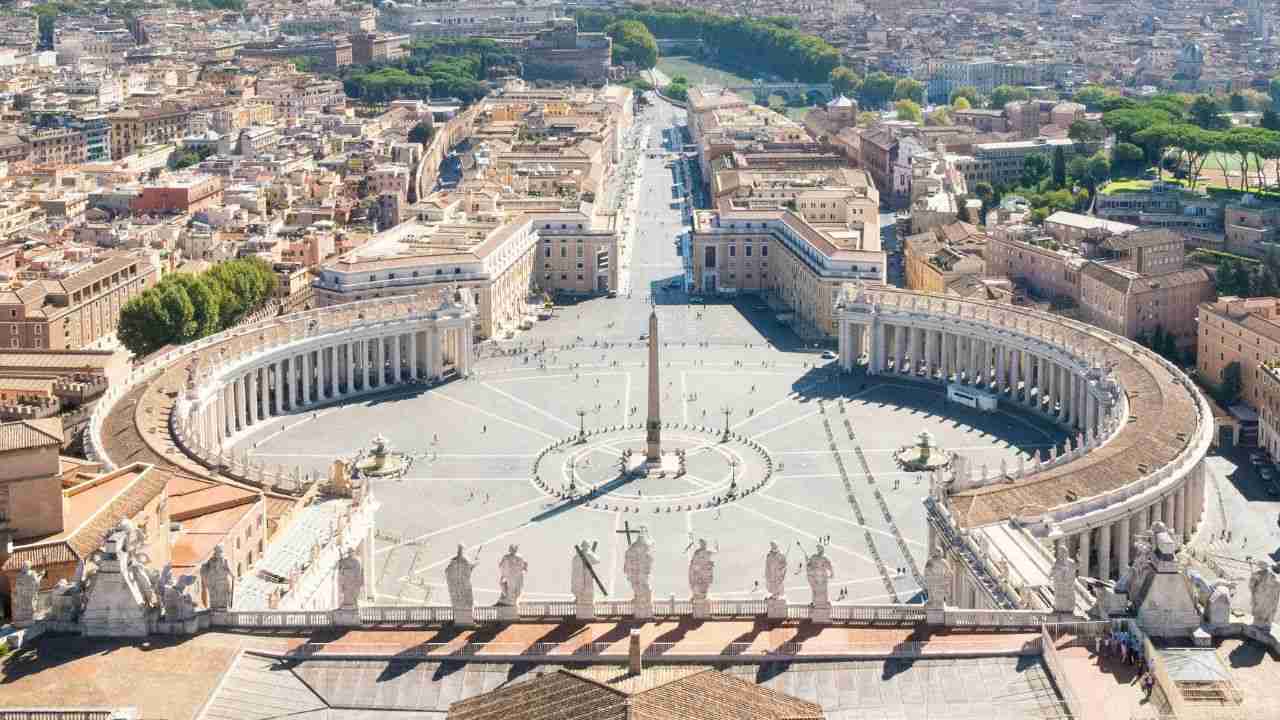 Vatican uses anti-drone and signal jamming to ensure secrecy during the election of the new Pope in the Sistine Chapel (Seifeddine Dridi – Unsplash)
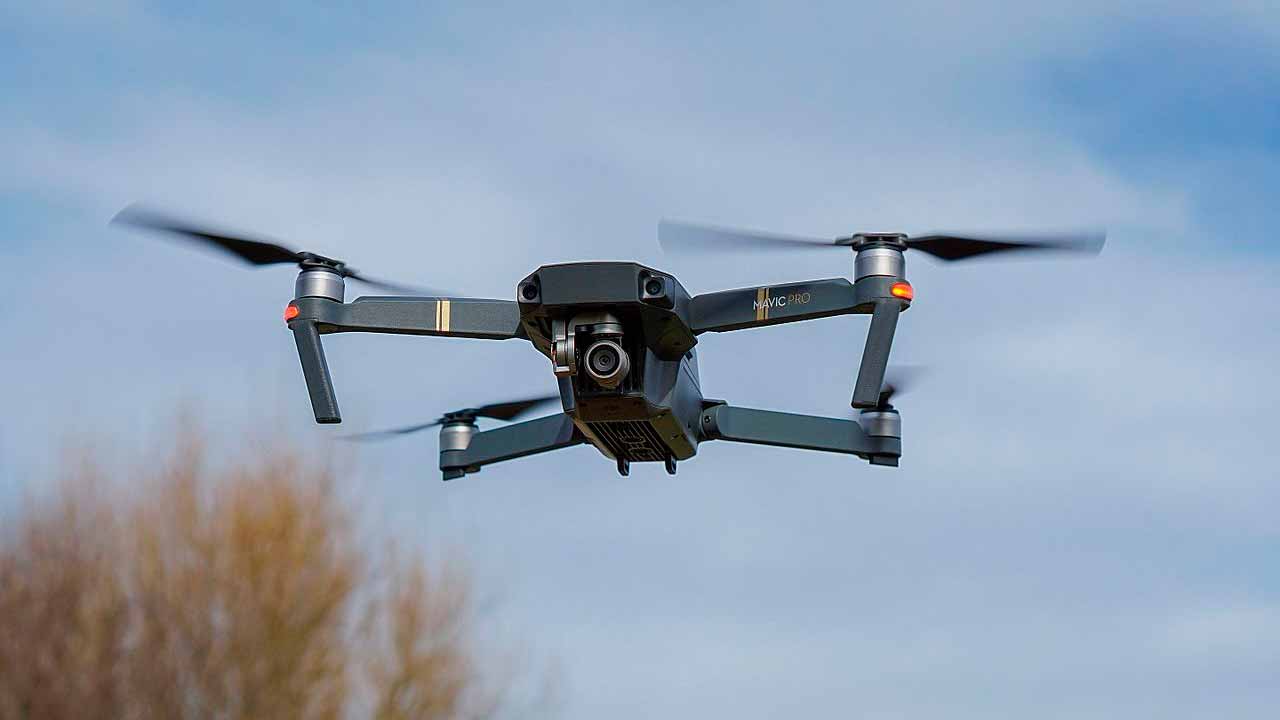
Security is coordinated by the Pontifical Swiss Guard and the Vatican Gendarmerie Corps, and the details of the plan have not been disclosed for confidentiality reasons. It is expected that, just as in previous papal events, anti-drone devices will be used to neutralize potential aerial intrusions. Additionally, on May 7, all mobile telecommunication signals will be blocked within Vatican territory, except in the Castel Gandolfo area.
Additional measures include the installation of electronic jammers under the Sistine Chapel floor, bug sweeps with scanners, and a Faraday cage to prevent signal transmissions.
The cardinals take an oath of absolute secrecy, are not allowed to exchange messages or access newspapers during the process, and at least 89 confirmations, or two-thirds of the votes, are required to determine the new leader of the Catholic Church.
Source: Olhar Digital | Photos: Seifeddine Dridi – Unsplash and Wikimedia | This content was created with the help of AI and reviewed by the editorial team
